Criminal Class Press Justice Exposed. Truth Uncovered.

Criminal Class Press

Justice Exposed. Truth Uncovered.

Latest Articles

Outgunned from the Start: The Crushing Resource Gap That Decides Criminal Cases Before They Reach a Courtroom
Investigative Reporting

Outgunned from the Start: The Crushing Resource Gap That Decides Criminal Cases Before They Reach a Courtroom

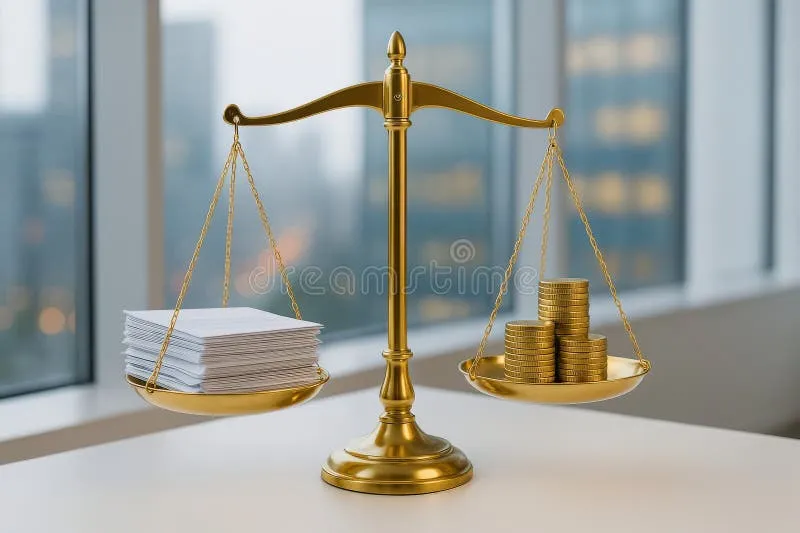
While prosecutors command the full investigative machinery of the state, defense teams—particularly those representing low-income defendants—operate on budgets that can barely cover gas money. A systemic examination of how this disparity shapes verdicts long before any jury is seated.

Witnesses for Hire: Inside the Prison System That Trades Testimony for Freedom
Investigative Reporting

Witnesses for Hire: Inside the Prison System That Trades Testimony for Freedom

Across America's state prison systems, a quiet transaction takes place daily: incarcerated individuals exchange testimony against fellow defendants for reduced sentences, transfers, and privileges. This investigative report examines how institutional incentives have transformed corrections facilities into assembly lines for prosecution witnesses — and the wrongful convictions left in their wake.

Footage Not Found: The Quiet Erosion of Police Body Camera Accountability
Investigative Reporting

Footage Not Found: The Quiet Erosion of Police Body Camera Accountability

Body cameras were supposed to be the great equalizer in police accountability—an impartial electronic witness strapped to every officer's chest. But a growing record of missing files, technical failures, and policy loopholes suggests the technology has become something far more convenient: a tool that documents what departments choose to document, and disappears when they do not.

Testimony for Sale: The Hidden Economy of Jailhouse Informants Driving American Convictions
Investigative Reporting

Testimony for Sale: The Hidden Economy of Jailhouse Informants Driving American Convictions

Across American courtrooms, prosecutors routinely rely on witnesses whose credibility is fundamentally compromised by the very incentives that compel them to testify. A growing body of exoneration data and court records reveals how the jailhouse informant system has become a structural pillar of criminal prosecution — one built on transactions that rarely see daylight. The consequences for defendants, particularly those without resources, have proven catastrophic.

The Price of Innocence: How Poverty Sentences the Guiltless Before Trial Begins
Investigative Reporting

The Price of Innocence: How Poverty Sentences the Guiltless Before Trial Begins

Thousands of innocent Americans plead guilty every year—not because they committed a crime, but because the financial and psychological machinery of the criminal justice system leaves them no viable alternative. An investigation into the economic architecture of wrongful guilty pleas reveals how poverty itself has become one of the most reliable conviction tools in the American legal arsenal.

Built on Sand: The Forensic Pseudosciences That Filled America's Prisons—and the Reckoning Now Underway
Investigative Reporting

Built on Sand: The Forensic Pseudosciences That Filled America's Prisons—and the Reckoning Now Underway

For decades, American courtrooms treated bite mark analysis, hair microscopy, and flawed arson investigation as settled science—sending thousands to prison on evidence that experts now describe as little more than educated guessing. As the scientific community has systematically dismantled these disciplines, a slow and painful legal reckoning has begun. The question is no longer whether the system got it wrong, but how many people are still paying for that failure.

Winning at Any Cost: The Prosecutors Who Built Empires on Broken Evidence
Investigative Reporting

Winning at Any Cost: The Prosecutors Who Built Empires on Broken Evidence

Across American courtrooms, a quiet crisis has festered for decades: prosecutors who cut corners, suppress evidence, and pursue convictions with methods that skirt — or outright violate — the law. Despite documented misconduct in case after case, the professional consequences for these attorneys remain startlingly rare, raising urgent questions about who guards the guardians of justice.

Two Systems of Justice: How Corporate America Learned to Commit Crime Without Consequence
Opinion & Analysis

Two Systems of Justice: How Corporate America Learned to Commit Crime Without Consequence

In the United States, the severity of criminal punishment has long been inversely proportional to the sophistication of the crime. While street-level offenders cycle through a system designed to incarcerate swiftly and punish harshly, corporations and their executives navigate an entirely different legal architecture — one engineered, whether by intent or institutional inertia, to minimize accountability and protect accumulated wealth.

When the Room Breaks You: The Science and Scandal of False Confessions in America
Investigative Reporting

When the Room Breaks You: The Science and Scandal of False Confessions in America

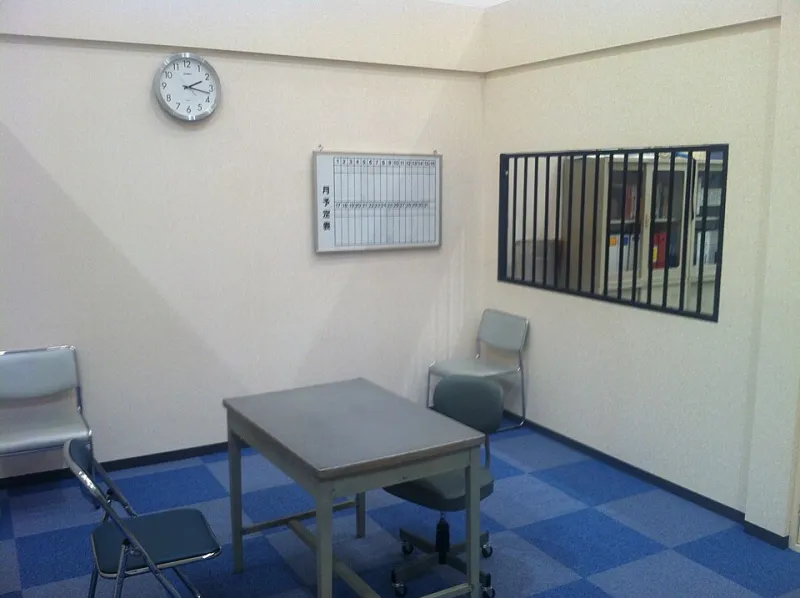
Across the United States, innocent men and women have sat in interrogation rooms and signed statements admitting to crimes they never committed. The mechanisms behind this phenomenon are neither mysterious nor accidental — they are the predictable result of legally sanctioned psychological pressure applied to some of the most vulnerable members of society.

Guilty Until Proven Guilty: The Hidden Machinery of America's Plea Bargain System
Investigative Reporting

Guilty Until Proven Guilty: The Hidden Machinery of America's Plea Bargain System

More than nine out of ten criminal convictions in the United States are secured without a single day of trial. Behind closed doors, a system built on coercion, resource disparity, and prosecutorial leverage is quietly reshaping what justice means in America — and the consequences for the wrongly accused are catastrophic.

Swipe Right on Justice: When TikTok Goes Cold Case
Opinion & Analysis

Swipe Right on Justice: When TikTok Goes Cold Case

A new generation of digital detectives armed with smartphones, genealogy databases, and viral reach is cracking cold cases that sat dormant for decades in police evidence rooms. But as amateur sleuths celebrate their wins, law enforcement and legal experts are raising urgent questions about what happens when justice becomes a content format.

The Mob Has a Wi-Fi Connection: How Internet Sleuths Are Corrupting Criminal Justice
Opinion & Analysis

The Mob Has a Wi-Fi Connection: How Internet Sleuths Are Corrupting Criminal Justice

Across Reddit threads, TikTok comment sections, and sprawling Facebook groups, a new breed of amateur investigator has emerged — armed with screenshots, reverse image searches, and the unshakeable confidence of a crowd. While citizen engagement with criminal cases has occasionally produced genuine leads, the darker record of digital vigilantism reveals a pattern of destroyed reputations, derailed investigations, and due process violations carried out at algorithmic speed. Criminal Class Press ex

Thirty Years Too Late: How DNA Science Dismantled America's Most Devastating Wrongful Convictions
Investigative Reporting

Thirty Years Too Late: How DNA Science Dismantled America's Most Devastating Wrongful Convictions

Since its founding in 1992, the Innocence Project has leveraged advances in forensic DNA technology to free more than 375 Americans who were wrongfully convicted — many of whom spent decades behind bars for crimes they did not commit. These cases expose deep, systemic fractures within the American criminal justice system, from contaminated evidence rooms to eyewitness misidentification and unchecked prosecutorial overreach. Criminal Class Press examines the patterns, the people, and the persiste