Collateral of the Accused: The Family Dynasties Who Own America's Pretrial Moment
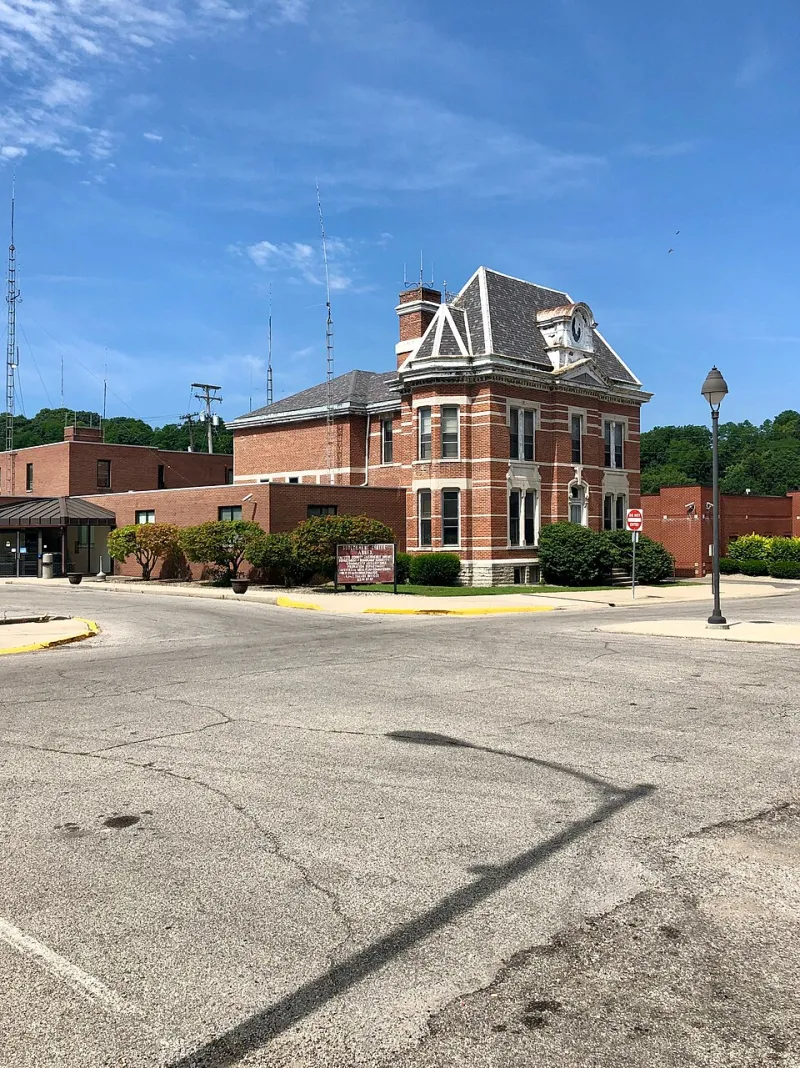
Photo: Warren LeMay from Cullowhee, NC, United States, CC0, via Wikimedia Commons
The American criminal system makes its first and most consequential decision within hours of an arrest, and it rarely involves a judge weighing evidence. It involves a price tag.
Roughly half a million people on any given day sit in local jails not because they were convicted of anything, but because they cannot pay to leave. For those who can't scrape together a cash bond, a second industry waits just outside the jailhouse door: the commercial bail bond business, a multi-billion-dollar sector dominated by a handful of family-owned brokerages and the insurance carriers that stand behind them.
How a Traffic Stop Becomes a Negotiation
Most jurisdictions run on bail schedules — fixed dollar amounts attached to offense categories, drafted by courts or county officials and applied with little individualized assessment. A burglary might carry a $20,000 bond before anyone has examined the facts of the case. Defendants with means post 10 percent to a licensed bondsman and walk free. Those without means remain behind bars, sometimes for months, awaiting a trial that may never come if prosecutors and defense attorneys eventually resolve the case with a plea.
The bondsman, meanwhile, collects a nonrefundable premium — often financed with high-interest payment plans that follow families for years. Collateral is common: car titles, deeds, jewelry. Miss a court date, even by administrative error, and bounty agents empowered by centuries-old statutes may cross state lines to retrieve the client.
The Family Tree of an Industry
What outsiders assume is a fragmented trade of storefront operators is, at the top, remarkably concentrated. A small number of family enterprises — some tracing their holdings back generations — control large regional market shares, and they are underwritten by a handful of specialty insurance carriers that collectively write surety coverage for the majority of bonds posted nationwide. The American Bail Coalition, the industry's principal trade association, has functioned for decades as one of the most effective single-issue lobbies in state capitols.
Its fingerprints appear wherever reform surfaces. When New Jersey overhauled its system in 2014 and 2017, adopting risk-based release decisions and largely eliminating cash bail for most offenses, the industry fought the legislation at every stage. When Washington, D.C., abandoned commercial bail in the 1990s, bondsmen and their allies spent years attempting to claw the market back. In California, a 2018 law abolishing money bail was suspended before it ever took effect after a successful industry-led referendum drive — a rare instance of a trade association overturning a statute by popular vote.
Why Reform Keeps Stalling
The industry's argument is straightforward: bonding agents perform a public service at zero taxpayer cost, and defendants released through a bondsman show up to court because someone with a financial stake makes sure they do. Critics counter that this is precisely the problem — liberty conditioned on the ability to purchase it from a private intermediary, with the state outsourcing a core judicial function to parties who profit from the volume of detentions.
Reform efforts face a second, quieter obstacle: the insurance structure itself. Because surety carriers assume liability for bonds, they have deep institutional incentives to preserve the market, and their lobbying budgets dwarf anything organized by public defenders or reform advocates. In state after state, bills to replace cash bail with pretrial risk assessment or supervised release have died in committee following well-funded opposition campaigns.
The Human Ledger
The costs are not abstract. Pretrial detention — even a few days — increases the likelihood of job loss, family disruption, and, studies consistently show, harsher ultimate case outcomes, because detained defendants plead guilty at higher rates simply to go home. Jurisdictions that have curtailed cash bail, including New Jersey and several Kentucky pilot programs, have generally seen no meaningful rise in failure-to-appear rates, undercutting the industry's central claim.
Yet the system persists, defended by an alliance of fiscal conservatives wary of pretrial release and by an industry whose business model depends on the gap between what freedom costs and what people can pay. Until legislatures are willing to confront that alliance directly, the presumption of innocence in much of America will continue to carry a price — one set by a schedule, collected by a broker, and underwritten by an insurer most defendants will never know exists.